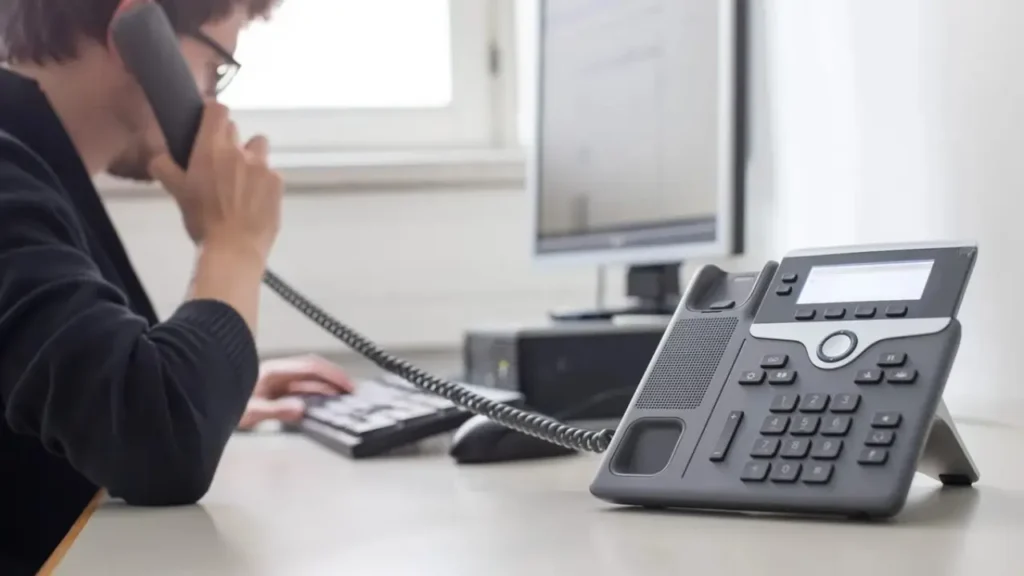

How Can a Virtual RN Help an Urgent Care Clinic?
A virtual RN for urgent care is a remote registered nurse who handles post-visit follow-up calls, lab and imaging result notifications, discharge instruction reviews, and patient callbacks on behalf of an urgent care clinic. The virtual RN works from a remote location, accesses the clinic’s EHR, and contacts patients by phone after their visit to confirm they understand their discharge instructions, communicate pending test results, and answer clinical questions that would otherwise generate a callback to the front desk or require an in-person return visit. This offloads the most time-consuming phone work from the on-site clinical staff while maintaining the clinical quality of the patient interaction.
Post-visit follow-up: The virtual RN calls patients 24 to 48 hours after their urgent care visit to check on symptom progression, confirm medication compliance, and answer questions about their treatment plan.
Result notification: When lab, imaging, or rapid test results come back after the patient has left, the virtual RN contacts the patient, explains the results within the provider’s documented instructions, and schedules any needed follow-up.
Discharge instruction review: For patients who received complex discharge instructions (wound care, medication titration, specialist referral steps), the virtual RN calls to walk through the instructions and confirm the patient can follow them correctly.
The Urgent Care Follow-Up Problem
Urgent care clinics operate at high volume and short visit times. The average urgent care visit lasts 15 to 25 minutes, and most clinics see 30 to 60 patients per day per provider. That volume creates a follow-up backlog: lab results that come back after the patient leaves, imaging reads that arrive the next morning, cultures that take 48 to 72 hours, and patients who call back with questions about their discharge instructions. For how virtual medical assistants improve patient satisfaction in clinical settings, see our full guide.
In most urgent care clinics, this follow-up work falls on the same clinical staff who are triaging walk-in patients, assisting with procedures, and answering the front desk phone. The result is predictable: follow-up calls get delayed, patients call back asking for results, and the front desk becomes a bottleneck. A 2024 JUCM (Journal of Urgent Care Medicine) survey found that result notification delays are among the top patient dissatisfaction drivers in urgent care, and that clinics with structured follow-up protocols report higher patient retention and Net Promoter Scores.
The operational cost is real. Every inbound patient callback that a clinical staff member answers takes 3 to 7 minutes of time that could be spent on the patients in the building. A clinic that receives 20 to 30 callbacks per day is losing 1 to 3 hours of clinical staff time to phone work that a remote RN could handle.
What Does a Virtual RN Do for Urgent Care?
| Task | When It Happens | What the Virtual RN Does | Outcome |
| Post-visit follow-up call | 24 to 48 hours after visit | Checks symptom progression, confirms medication compliance, answers treatment questions | Reduces callbacks, catches complications early |
| Lab result notification | When results are finalized | Contacts patient, explains results per provider instructions, schedules follow-up if needed | Eliminates result notification backlog |
| Culture/sensitivity results | 48 to 72 hours post-visit | Notifies patient, confirms antibiotic is appropriate or relays provider’s change order | Closes the antibiotic loop |
| Imaging result notification | Next business day | Calls patient with imaging read, explains findings, arranges specialist referral if indicated | Reduces return visits for result pickup |
| Discharge instruction review | 24 hours after visit | Walks patient through wound care, medication schedule, red flag symptoms, follow-up appointment | Improves compliance, reduces ER bounce-backs |
| Referral coordination | Same day or next day | Confirms specialist referral was received, helps patient schedule the appointment | Reduces referral drop-off |
At Virtual RNS, we place remote registered nurses who integrate directly into urgent care workflows. The virtual RN accesses the clinic’s EHR, reviews the visit note and any pending orders, and makes outbound calls on the clinic’s behalf using the clinic’s phone system or a HIPAA-compliant calling platform. The patient sees the clinic’s name on caller ID. The interaction is documented in the patient’s chart. From the patient’s perspective, it is a call from the clinic, not from a third party. For the broader benefits of employing a virtual nurse, see our guide on improving ease and excellence in healthcare.
Your urgent care clinic sees 30 to 60 patients per day. Every one of them needs follow-up: result notifications, discharge instruction reviews, referral confirmations, and symptom check calls. If your on-site staff is handling that phone work between walk-in patients, they are doing two jobs and neither one well. A virtual RN from Virtual RNS handles the follow-up calls remotely, documents in your EHR, and frees your clinical team to focus on the patients in the building.
How to Add a Virtual RN to Your Urgent Care Workflow
These six steps cover the implementation process for adding a remote RN to your urgent care follow-up workflow.
1. Define the follow-up scope. Decide which tasks the virtual RN will handle: post-visit follow-up calls, result notifications, discharge instruction reviews, referral coordination, or all of the above. Start with the task that creates the most callbacks.
2. Set up EHR access. The virtual RN needs read and write access to your EHR to review visit notes, check pending results, and document the follow-up call. Most EHR platforms support remote user access with role-based permissions.
3. Establish the calling protocol. Define when the virtual RN calls (24 hours post-visit, when results are finalized, etc.), what script or clinical protocol to follow, and when to escalate to the on-site provider.
4. Configure the phone system. Route the virtual RN’s outbound calls through your clinic’s phone system so the patient sees the clinic’s caller ID. Use a HIPAA-compliant platform if your phone system does not support remote extensions.
5. Train on your clinic’s protocols. The virtual RN must know your clinic’s discharge instruction templates, result notification scripts, and escalation criteria. Provide a protocol document and a one-week training period with your lead provider.
6. Monitor and adjust. Track callback volume, result notification turnaround time, and patient satisfaction scores before and after implementation. Adjust the virtual RN’s hours and scope based on the data.
In-House Staff vs. Virtual RN for Follow-Up
The question we hear most often from urgent care operators is whether to hire another on-site nurse or add a virtual RN for follow-up work. The answer depends on what the follow-up work actually involves. If the work is phone-based (calling patients, delivering results, reviewing discharge instructions, coordinating referrals), a virtual RN handles it at lower cost and without taking up physical space in the clinic. If the work requires hands-on clinical tasks (wound checks, suture removal, injections), it requires on-site staff. For what to consider when selecting a virtual nursing partner, see our guide on choosing virtual nursing companies.
A full-time on-site RN costs $70,000 to $90,000 per year in salary and benefits, plus workspace, equipment, and scheduling overhead. A virtual RN dedicated to follow-up calls costs significantly less because the role is remote, does not require clinic space, and can be scaled to part-time or full-time based on patient volume. A clinic that sees 40 patients per day might need a virtual RN for 4 to 6 hours per day to cover all follow-up calls, result notifications, and discharge reviews, not a full 8-hour shift.
The other advantage is coverage flexibility. Urgent care clinics operate on extended hours, evenings, and weekends. A virtual RN can make follow-up calls during the hours that work best for patient contact (late morning, early afternoon) regardless of when the clinic is open, which means results and follow-up calls go out faster than if they wait for the next shift’s in-house staff to get through the queue.
How Virtual RN Follow-Up Improves Patient Satisfaction
Patient satisfaction in urgent care is driven by three factors: wait time, provider communication, and follow-up. The first two happen during the visit. The third happens after, and it is the one most urgent care clinics handle poorly because the volume of follow-up work exceeds the capacity of the on-site team.
A structured follow-up call within 24 to 48 hours of the visit accomplishes three things. First, it catches patients whose symptoms are worsening before they bounce back to the ER, which reduces ER utilization and improves the clinic’s clinical outcomes. Second, it closes the result notification loop so patients are not calling back asking for labs they were told would be ready ‘in a few days.’ Third, it gives the patient a human touchpoint after the visit, which is the single strongest driver of patient loyalty in urgent care.
At Virtual RNS, the practices we work with consistently report that adding a virtual RN for post-visit follow-up reduces inbound patient callbacks by 40 to 60 percent within the first 90 days. That reduction frees the front desk and clinical staff to focus on the patients who are physically in the clinic, which improves the in-clinic experience for everyone.
Frequently Asked Questions
What is a virtual RN for urgent care?
A virtual RN for urgent care is a remote registered nurse who handles post-visit follow-up calls, lab and imaging result notifications, discharge instruction reviews, and patient callbacks on behalf of an urgent care clinic. The virtual RN works from a remote location, accesses the clinic’s EHR, and documents all interactions in the patient’s chart.
Is a virtual RN HIPAA compliant?
Yes, when properly implemented. The virtual RN accesses the clinic’s EHR through a secure, encrypted connection with role-based permissions. Calls are made through HIPAA-compliant platforms, and all patient interactions are documented in the chart. Virtual RNS provides HIPAA-trained, US-based or internationally credentialed registered nurses.
How much does a virtual RN cost compared to an on-site nurse?
A full-time on-site RN costs $70,000 to $90,000 per year in salary and benefits plus workspace. A virtual RN dedicated to follow-up calls costs significantly less and can be scaled to part-time hours based on patient volume. Most urgent care clinics need 4 to 6 hours per day of virtual RN coverage for follow-up work.
Can a virtual RN deliver lab results to patients?
Yes. The virtual RN reviews the finalized results in the EHR, follows the provider’s documented instructions for the notification, contacts the patient, explains the results, and schedules any needed follow-up. For abnormal results that require a clinical decision, the virtual RN escalates to the on-site provider before contacting the patient.
How quickly can a virtual RN start making follow-up calls?
Most urgent care clinics can onboard a virtual RN within one to two weeks. The timeline includes EHR access setup, phone system configuration, protocol training, and a supervised trial period. Virtual RNS handles the credentialing, training, and technology setup as part of the placement process.
Does the patient know the call is from a virtual nurse?
The patient sees the clinic’s name on caller ID and the virtual RN identifies as a nurse calling from the clinic. The interaction is documented in the patient’s chart. From the patient’s perspective, it is a follow-up call from their urgent care clinic, not from a third-party service.
Next Steps
For how virtual medical assistants improve patient satisfaction across clinical settings, see our guide on physician patient satisfaction.
For what to look for in a virtual nursing partner, see our guide on choosing virtual nursing companies.
Calculate how many patient callbacks your clinic handles per day and how many hours of clinical staff time those calls consume. That is the capacity a virtual RN recovers.
Ready to offload your urgent care follow-up calls to a remote RN who documents in your EHR and calls from your clinic’s number?
Your urgent care clinic’s on-site staff should be treating the patients in the building, not spending hours on follow-up calls, result notifications, and discharge instruction reviews. A virtual RN from Virtual RNS handles all of it remotely, documents every interaction in your EHR, and calls from your clinic’s phone number. Reduce callbacks by 40 to 60 percent, close the result notification loop the same day, and free your clinical team to do what they were hired to do.